Camera Sensor Cleaning Supports Safer Equipment Care
Photography equipment used in clinics, schools, studios and public venues can collect dust, oils and other contaminants through frequent handling. While professional camera sensor cleaning perth services primarily protect image quality and sensitive internal components, they can also form part of a broader equipment maintenance routine. This is particularly relevant when cameras are shared by multiple users or operated in environments where cleanliness is closely managed.
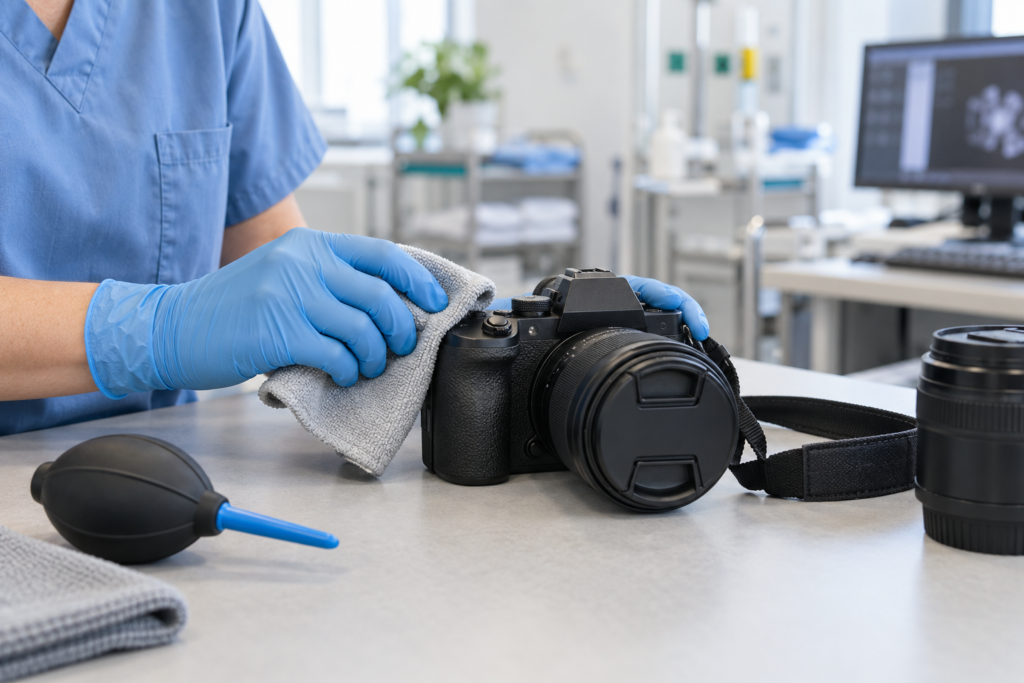
Regular camera cleaning perth services can help remove visible residue from external surfaces, control buttons, grips, screens and lens barrels. Cleaning practices should be appropriate for the equipment and its setting, as unsuitable chemicals or excessive moisture can damage coatings, seals and electronic components. Any hygiene process should therefore balance equipment protection with workplace cleaning requirements.
Shared Equipment Requires a Clear Cleaning Routine
Cameras are frequently shared in healthcare communications teams, educational facilities, photography studios, media departments and community organisations. In these settings, multiple people may touch the same shutter button, grip, touchscreen, dials and straps during a single day.
A documented cleaning routine can help organisations maintain equipment consistently. High-contact external areas may require attention between users, particularly where an organisation already follows formal hygiene procedures for shared devices. Staff should use products approved for the camera’s materials and follow the manufacturer’s instructions.
The process should focus on surfaces that are regularly handled without allowing liquid to enter openings, battery compartments or connection ports. Cleaning fluid should generally be applied to an appropriate cloth rather than sprayed directly onto the camera.
Internal and External Cleaning Serve Different Purposes
External hygiene should not be confused with internal maintenance. Cleaning the camera body removes oils, dust and residue from areas touched by users, while internal servicing addresses material that can affect photographs or interfere with camera operation.
Dust on an internal sensor assembly usually appears as fixed dark spots in images, especially when photographs are taken against a plain background or at a narrow aperture. These marks are an image-quality issue rather than a direct hygiene risk, but they indicate that the camera may benefit from professional inspection.
Opening the camera unnecessarily can introduce more dust into the internal chamber. For this reason, routine hygiene procedures should remain focused on exterior surfaces unless there is a clear technical reason to access the sensor area.
Cleaning Products Must Be Selected Carefully
Household disinfectants, abrasive wipes and heavily saturated cloths can damage camera finishes. Some products may affect rubber grips, printed markings, screen coatings or lens coatings. Strong solvents may also weaken adhesives or leave residue around buttons and seals.
Equipment owners should consult the manufacturer’s current care instructions before using any cleaning product. A clean, soft microfibre cloth may be suitable for general exterior maintenance, while a slightly dampened cloth can be used only where permitted. Separate lens-cleaning materials should be reserved for optical surfaces to avoid transferring skin oils or debris.
Reusable cloths must also be maintained correctly. A cloth containing sand, grit or hardened residue can scratch a screen or lens even when the cleaning method appears gentle. Single-use materials may be more suitable in controlled workplaces, provided they are compatible with the equipment.
Infection-Control Measures Depend on the Setting
The principles of infection prevention and control are especially important in healthcare and other controlled environments. However, a camera-cleaning procedure should not be treated as a substitute for an organisation’s established hygiene protocols.
Where equipment is used in a hospital, clinic or treatment area, staff should follow instructions from the organisation’s infection-control team. These requirements may differ from standard photography maintenance because they are based on the environment, contact risks and the people using the equipment.
Protective accessories can sometimes simplify external cleaning. Removable silicone covers, washable straps or dedicated equipment assigned to a specific area may reduce unnecessary sharing. Any accessory should remain compatible with ventilation openings, control access and the safe operation of the camera.
Professional Servicing Reduces DIY Risks
Internal camera components are far more delicate than exterior surfaces. Compressed air, household cleaning sprays, tissues and cotton buds should not be inserted into the camera body. These items may introduce fibres, leave chemical residue or damage the filter positioned above the imaging sensor.
A professional technician can inspect the camera, identify the location of contamination and determine an appropriate cleaning method. Photographers searching for a camera shop perth provider should ask whether the service covers internal inspection, exterior maintenance and post-cleaning image tests.
Service providers should also be told if equipment has been exposed to unusual conditions, including moisture, smoke, sand, bodily fluids or harsh cleaning chemicals. This information allows technicians to assess whether standard maintenance is appropriate or whether the camera requires more specialised handling.
Practical Habits Can Improve Equipment Hygiene
Users should begin with clean, dry hands and avoid placing cameras on treatment surfaces, floors or other areas where contamination may be present. Lens caps and body caps should be stored in a clean location rather than carried loose in pockets or bags.
Camera bags require regular attention because their compartments can collect dust, crumbs, fibres and moisture. Cleaning the camera while returning it to an unclean bag can quickly undo the work. Frequently handled accessories, including straps, memory card cases, tripods and remote controls, should also be included in the maintenance plan.
A suitable schedule will depend on how often the equipment is used, how many people handle it and the environment in which photography takes place. By separating routine hygiene from specialist internal servicing, organisations can support safer equipment handling without placing valuable camera components at unnecessary risk.