How to Protect a Roof from Birds and Leaves
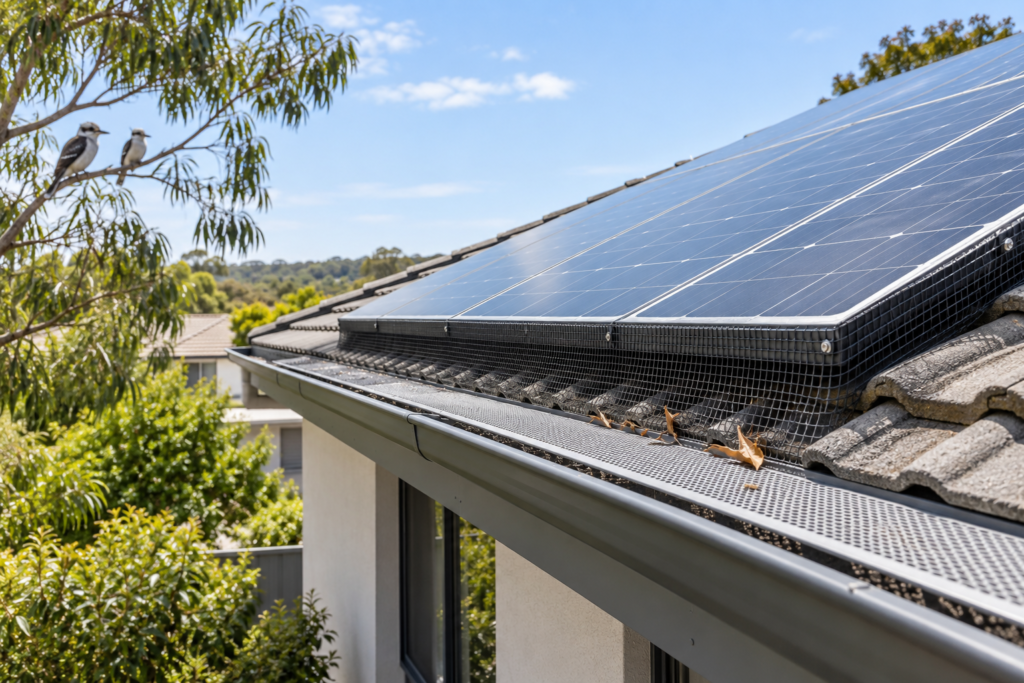
Installing bird proofing mesh can prevent unwanted nesting around vulnerable roof areas while allowing air to circulate. This is particularly useful beneath solar panels, where sheltered spaces often attract pigeons and other birds. Well-fitted gutter leaf guards can also reduce the amount of organic debris entering a home’s drainage system. Together, these measures help address two common causes of roof and gutter maintenance problems. A correctly installed leaf stopper provides another practical way to keep leaves out while preserving the flow of rainwater.
Birds and falling vegetation may seem like separate household concerns, but both can create problems around the roofline. Nests, feathers, twigs and leaves can obstruct gutters or downpipes, while bird activity may damage wiring, dislodge materials and create persistent noise.
A coordinated approach helps protect the roof, improve drainage and reduce the frequency of maintenance. It can be especially valuable for homes surrounded by mature trees or located in areas with active bird populations.
Why Birds Choose Roof Areas
Residential roofs provide birds with several features they naturally seek: shelter, warmth and protection from predators. Small gaps beneath roofing materials, eaves and solar panels can become attractive nesting locations.
Solar panels are a common concern because the space underneath them is sheltered from direct sunlight, wind and rain. Once birds settle there, nesting material and droppings can accumulate quickly. Their movement may also disturb nearby residents, particularly early in the morning.
Bird droppings are highly acidic and can stain or gradually damage some surfaces. Accumulated waste may also create unpleasant odours and encourage insects. When nesting material falls into the gutters, it can combine with leaves and restrict water flow.
Physical barriers are generally more dependable than visual deterrents because they prevent birds from reaching the protected space. However, the installation must be designed carefully so it does not damage the roof or interfere with ventilation and drainage.
How Leaves Affect Gutter Performance
Gutters are designed to direct rainwater away from the roof, walls and foundations. When leaves, bark, seeds and twigs enter the system, they can slow or block that movement.
During heavy rain, a blocked gutter may overflow over the front or back edge. Water running down exterior walls can contribute to staining, dampness and deterioration of painted surfaces. If water flows back towards the roof, it may increase the risk of moisture reaching areas that were not designed for prolonged exposure.
Dry debris presents another concern during hot weather. A thick layer of leaves sitting in an exposed gutter can become combustible, which is particularly relevant for properties in bushfire-prone areas. Although no protection system removes the need for inspection, reducing accumulated debris can make routine upkeep safer and more manageable.
The type of vegetation surrounding the property should guide the choice of protection. Large leaves behave differently from pine needles, blossoms or fine seed pods, so the most suitable design will depend on local conditions.
Choosing Materials That Suit the Property
Roof protection products are available in different materials, profiles and colours. A suitable system should be strong enough for local weather conditions and compatible with the existing roof and gutter materials.
Metal options are often selected for durability and resistance to harsh sunlight. The material should have appropriate corrosion resistance, particularly in coastal locations where salt exposure can accelerate deterioration.
The size of the openings also matters. Larger openings may allow fine debris to pass through, while extremely small openings can collect material on top if the roof pitch is shallow. The aim is to find a balance that blocks troublesome debris without restricting rainwater during intense downpours.
Colour selection can help the installation blend with the roof. A discreet finish is particularly important around visible roof edges or solar panels, where poorly matched materials may affect the appearance of the property.
Why Installation Quality Matters
Even a high-quality product can perform poorly if it is installed incorrectly. Loose edges may create new entry points for birds, while sections that lift in strong wind can expose the gutter and surrounding roof.
Installers should inspect the roof before fitting any barrier. Existing nests need to be removed safely, and any damaged tiles, loose roofing materials or blocked downpipes should be addressed first. It is also important to confirm that no birds or young chicks remain trapped inside the protected area.
Fixings should be compatible with the roofing material and positioned without creating unnecessary penetrations. Around solar panels, the system should attach securely without affecting electrical components or product warranties.
A professional assessment can also identify less obvious access points. Birds may enter beneath ridge capping, through damaged eaves or around roof-mounted equipment, so treating only the most visible location may not solve the entire problem.
Maintenance Is Still Important
Roof barriers can significantly reduce debris and nesting, but they do not make a roof maintenance-free. Fine particles, dust and small seeds may still collect over time, particularly after storms or extended dry periods.
Periodic visual checks can identify lifted sections, trapped branches or signs of renewed bird activity. Gutters and downpipes should also be inspected before the wet season so rainwater can move freely through the system.
After severe weather, it is sensible to check whether strong wind or falling branches have affected any protective materials. Early repairs are usually simpler and less costly than allowing a small opening or blockage to develop into a larger problem.
Homes close to tall trees may require more frequent attention than properties in open areas. Pruning overhanging branches, where appropriate, can reduce falling debris and make it harder for birds to reach the roof.
A More Complete Approach to Roof Care
Managing birds and leaves together creates a more complete roof protection strategy. Blocking nesting spaces helps keep feathers, twigs and droppings away from the drainage system, while preventing vegetation from entering the gutters supports reliable water flow.
The best results come from choosing materials suited to the building, installing them securely and continuing with sensible inspections. This approach protects more than the gutters alone. It can reduce avoidable maintenance, preserve the appearance of the roof and help rainwater drain safely throughout the year.